สำรวจส่วนประกอบเครื่องฉีดพลาสติกประเภทต่างๆ และการใช้งาน
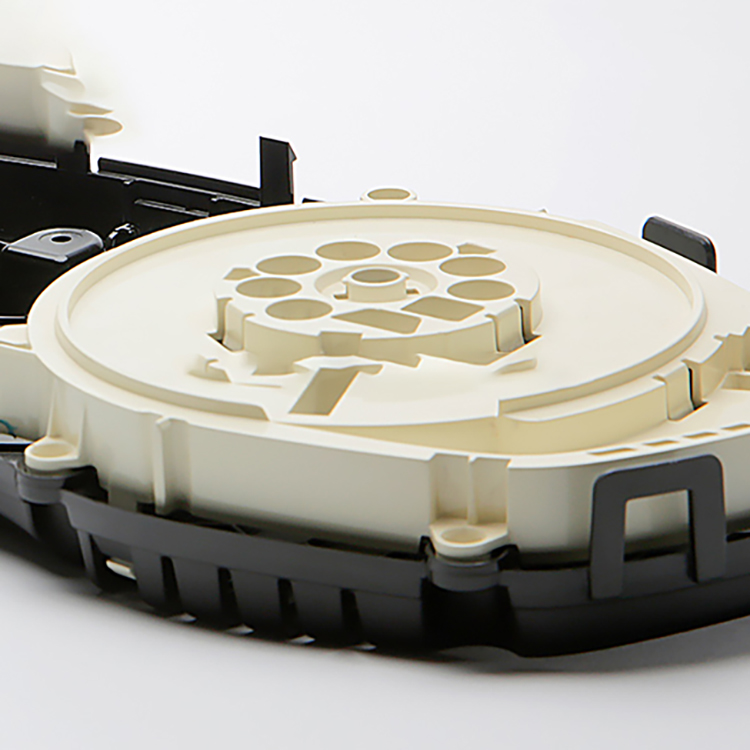

The Impact of Plastic Components in Modern Cars Plastic components have become an integral part of modern cars, playing a crucial role in the design, functionality, and overall performance of vehicles. From interior trim pieces to exterior body panels, plastic is used in various parts of a car to enhance its aesthetics, reduce weight, improve…

พื้นฐานของการขึ้นรูปชิ้นส่วนพลาสติกขนาดเล็ก การขึ้นรูปชิ้นส่วนพลาสติกขนาดเล็กเป็นกระบวนการพื้นฐานในอุตสาหกรรมการผลิต มันเกี่ยวข้องกับการขึ้นรูปพลาสติกหลอมเหลวให้เป็นรูปแบบที่ต้องการโดยใช้แม่พิมพ์ บทความนี้จะกล่าวถึงภาพรวมพื้นฐานของการขึ้นรูปชิ้นส่วนพลาสติกขนาดเล็ก รวมถึงกระบวนการขึ้นรูปประเภทต่างๆ วัสดุที่ใช้ และขั้นตอนที่เกี่ยวข้อง กระบวนการขึ้นรูปที่ใช้กันทั่วไปสำหรับชิ้นส่วนพลาสติกขนาดเล็กมีหลายประเภท การฉีดขึ้นรูปเป็นวิธีการที่ใช้กันอย่างแพร่หลาย โดยการฉีดพลาสติกหลอมเหลวเข้าไปในโพรงแม่พิมพ์ภายใต้แรงดันสูง กระบวนการนี้ทำให้เกิดรูปทรงที่ซับซ้อนและขนาดที่แม่นยำ วิธีการทั่วไปอีกวิธีหนึ่งคือการเป่าขึ้นรูป ซึ่งใช้สำหรับชิ้นส่วนกลวง เช่น ขวด ในการเป่าขึ้นรูป ท่อพลาสติกหลอมเหลวจะถูกพองขึ้นเพื่อให้ได้รูปทรงของแม่พิมพ์ วิธีการอื่นๆ ได้แก่ การอัดขึ้นรูป การขึ้นรูปแบบหมุน และการขึ้นรูปแบบอัดขึ้นรูป การเลือกกระบวนการขึ้นรูปขึ้นอยู่กับปัจจัยต่างๆ เช่น ความซับซ้อนของชิ้นส่วน ปริมาณที่ต้องการ และวัสดุที่ใช้ เมื่อพูดถึงวัสดุ มีพลาสติกหลายประเภทที่สามารถนำไปใช้ในการขึ้นรูปชิ้นส่วนขนาดเล็กได้ วัสดุทั่วไป ได้แก่ โพลีเอทิลีน โพลีโพรพีลีน โพลีสไตรีน และโพลีไวนิลคลอไรด์ (PVC) วัสดุแต่ละชนิดมีคุณสมบัติเฉพาะตัวของตัวเอง เช่น ความยืดหยุ่น ความทนทาน และทนความร้อน ซึ่งทำให้เหมาะสำหรับการใช้งานที่แตกต่างกัน กระบวนการขึ้นรูปชิ้นส่วนพลาสติกขนาดเล็กมักมีหลายขั้นตอน ขั้นแรก ให้เตรียมแม่พิมพ์โดยการสร้างโพรงที่ตรงกับรูปร่างที่ต้องการของชิ้นส่วน ซึ่งสามารถทำได้โดยการตัดเฉือนแม่พิมพ์จากโลหะหรือใช้แม่พิมพ์สำเร็จรูป เมื่อแม่พิมพ์พร้อม วัสดุพลาสติกจะถูกให้ความร้อนจนมีสถานะหลอมเหลว และฉีดหรือเป่าเข้าไปในโพรงแม่พิมพ์ จากนั้น แม่พิมพ์จะถูกทำให้เย็นลงเพื่อทำให้พลาสติกแข็งตัว และชิ้นส่วนจะถูกขับออกจากแม่พิมพ์ จำเป็นต้องพิจารณาปัจจัยหลายประการเพื่อให้มั่นใจในคุณภาพของชิ้นส่วนที่ขึ้นรูป ปัจจัยสำคัญประการหนึ่งคือการออกแบบแม่พิมพ์ แม่พิมพ์ควรมีช่องระบายอากาศและระบายความร้อนที่เหมาะสมเพื่อให้สามารถบรรจุและระบายความร้อนของพลาสติกได้อย่างมีประสิทธิภาพ…
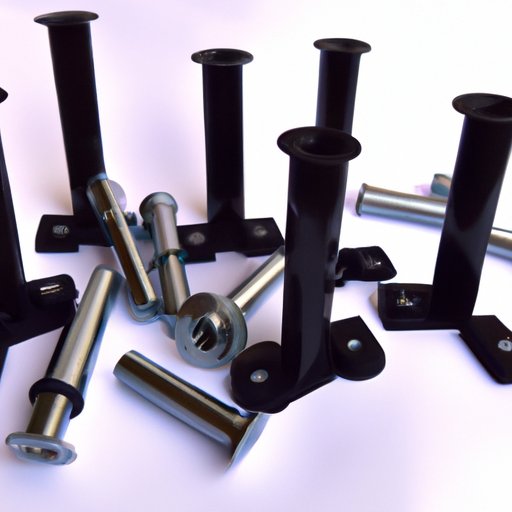
Understanding the HS Code for Plastic Injection Parts The Harmonized System (HS) Code is an internationally recognized system used to classify and identify products for import and export purposes. It is a standardized system that assigns a unique code to each product, allowing customs officials and traders to easily identify and categorize goods. For those…
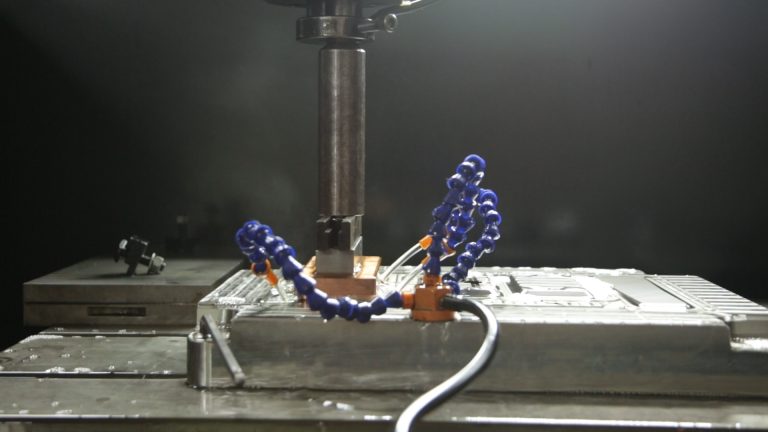
“Prototype machining steel” typically refers to the process of machining steel materials to create prototypes of parts or components. This process is often part of rapid prototyping, where speed and precision are essential for quickly iterating designs and testing functionality before full-scale production. Here’s a breakdown of the key points: 1.Prototype Machining: This involves using…
Benefits of Using Transparent Plastic Electronic Component Parts Transparent plastic electronic component parts are becoming increasingly popular in the electronics industry due to their numerous benefits. These parts are made from high-quality plastic materials that allow for easy visibility of the internal components of electronic devices. In this article, we will explore the advantages of…
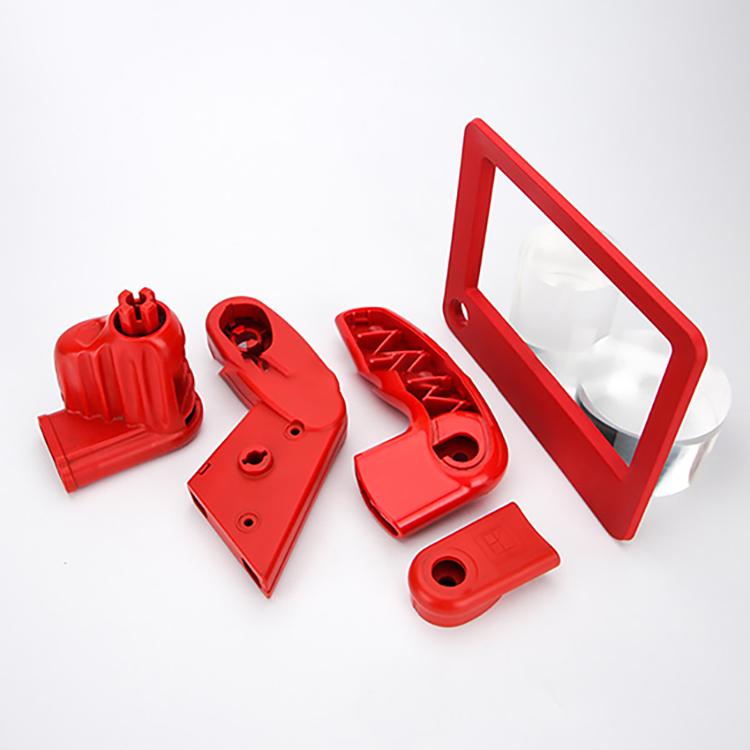
Custom injection molding plastic refers to the process of manufacturing plastic parts or components tailored to specific designs, requirements, and specifications provided by the client. In this process, molten plastic material is injected into a mold cavity under high pressure, where it cools and solidifies to form the desired part shape.Here’s a breakdown of what…